How to Pick Your Warehouse’s Ideal Pallet Racking System
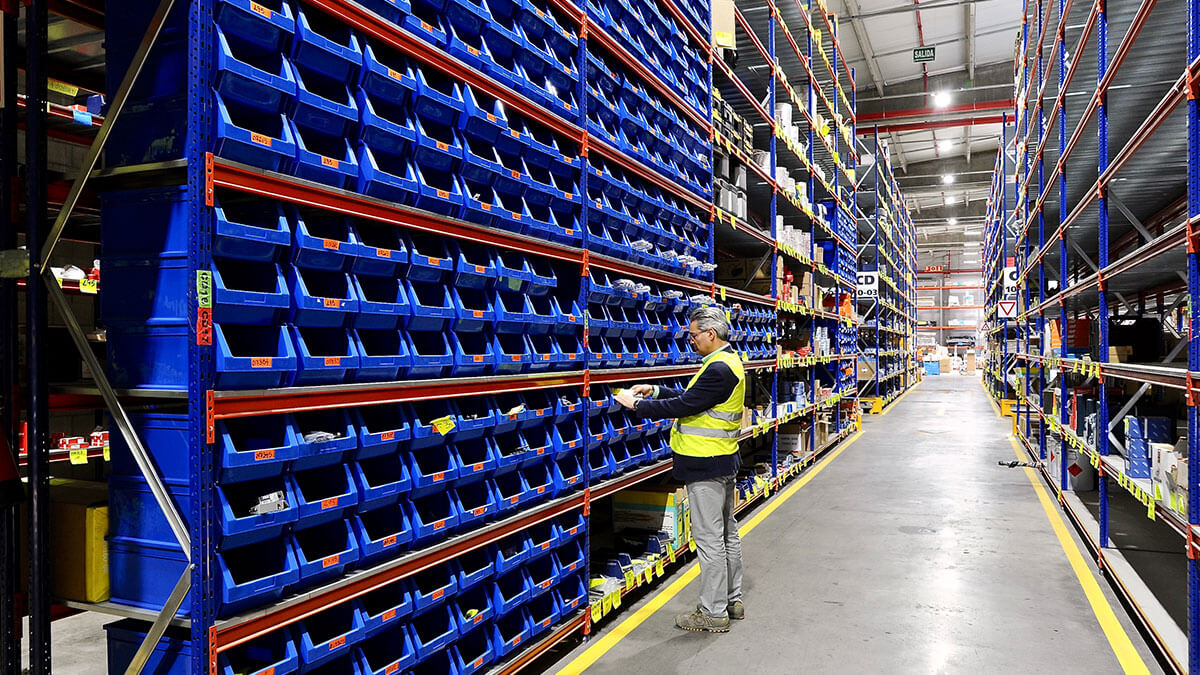
Selecting the correct pallet racking system maximizes storage density, accelerates inventory throughput, and prevents costly warehouse accidents. A well-designed racking layout utilizes every cubic foot of vertical space while ensuring forklift operator’s access stock safely and efficiently. Installing a system mismatched to your inventory profile creates severe operational bottlenecks, damages goods, and wastes valuable floor space. Evaluating your inventory turnover rates, ceiling heights and material handling equipment ensures your warehouse layout supports maximum profitability.
Evaluating Inventory Turnover and Access Needs
Matching your storage system to your inventory management methodology determines how quickly staff picks and ship orders. Selective pallet racking offers immediate, direct access to every single pallet location, making it the ideal choice for facilities handling high product diversity with low stock volume per item. This open access model supports First-In, First-Out inventory strategies without requiring operators to move adjacent pallets to reach target stock.
High-density storage solutions prioritize maximum volume over immediate pallet access. Drive-in, push-back, and pallet shuttle systems consolidate storage lanes by eliminating aisles, making them perfect for Last-In, First-Out inventory or high-volume SKU management. If your operations rely on perishable goods or strict batch expiration tracking, choosing a high-density system like gravity flow racking maintains automatic product rotation while maximizing vertical storage space.
Assessing Warehouse Dimensions and Floor Capacity
Calculating vertical clearance and floor load specifications prevents structural overloading and equipment interference during daily operations. Measuring clear height beneath ceiling trusses, lighting fixtures, and sprinkler heads establishes the maximum safe height for your top pallet beam. When forklifts raise goods, there is a risk of serious property damage and code infractions if overhead building infrastructure is not taken into consideration.
Verifying concrete floor slab thickness and soil load capacity protects your building foundation from catastrophic structural failure. High-density racking systems concentrate immense weight onto small steel baseplates, requiring specific concrete PSI ratings and anchor bolt depth specifications. Consulting structural engineering charts guarantees your warehouse floor handles the combined weight of steel frames, heavy material handling equipment, and fully loaded pallets.
Matching Racking Systems with Material Handling Equipment
Ensuring total compatibility between your pallet racking layout and forklift fleet prevents expensive equipment upgrades and aisle navigation issues. Standard selective racking requires wide aisle spacing, usually twelve to fifteen feet, allowing traditional counterbalanced forklifts to turn and stack safely. When tight layouts are designed without considering the forklift’s turning radius limitations, machinery becomes stuck and cannot serve top shelves.
Narrow aisle and Very Narrow Aisle configurations require specialized material handling equipment like reach trucks, turret trucks, or wire-guided order pickers. Shrinking aisle widths down to six or seven feet dramatically increases overall storage footprint, but demands specialized forklift equipment and precision floor leveling. Reviewing your existing fleet capabilities before finalizing aisle dimensions avoids unexpected equipment capital expenditures.
Future-Proofing Your Storage Infrastructure
Investing in modular pallet racking components provides the flexibility to reconfigure your warehouse as business requirements change. Fixed, rigid layouts make expanding product lines or altering pick paths difficult and costly. Choosing standardized tear-drop beam connections and adjustable upright frames allows maintenance teams to alter beam heights quickly without specialized tools or structural teardowns.
Regular rack safety inspections preserve structural integrity and prevent sudden catastrophic collapse events. Environmental wear, heavy forklift strikes, and systemic overloading weaken steel uprights over time. Establishing a routine maintenance protocol to inspect beam safety clips, anchor bolts, and frame plumbness keeps your facility safe, compliant, and operational for decades.
Wrapping-Up!
Choosing the right pallet racking system is a foundational decision that shapes warehouse efficiency, safety, and long-term profitability. Analyzing inventory turnover rates, verifying floor load capacities, and aligning aisle widths with forklift specifications ensures your facility operates at peak capacity. Prioritizing modular design and robust safety protection safeguards your capital investment and positions your logistics operations for seamless growth.