
How Tariffs Support Economic Protectionism
How Tariffs Support Economic Protectionism in a world of global trade, tariffs play a pivotal role in shaping the economic landscape. When nations implement economic protectionism, they use tariffs as one of the key tools to shield domestic industries from foreign competition. This practice has sparked debate, with proponents arguing that it strengthens the local economy, while critics claim it stifles global growth and leads to inefficiencies. But how exactly do tariffs support economic protectionism? Let’s explore this concept in detail, looking at both the mechanisms and consequences of tariffs in a protectionist system.
What Is Economic Protectionism?
Economic protectionism refers to the policy of restricting imports from other countries through methods such as tariffs, quotas, and subsidies. The goal of such policies is to protect domestic industries from foreign competition by making imported goods more expensive or harder to access. While protectionism aims to safeguard local businesses and jobs, it often comes at a cost—raising prices for consumers and potentially sparking trade wars.
At its core, economic protectionism is about maintaining national economic sovereignty. By regulating foreign trade, a country seeks to prevent its local markets from being flooded by cheaper or higher-quality products from abroad, which could harm domestic industries that are less efficient or newer.
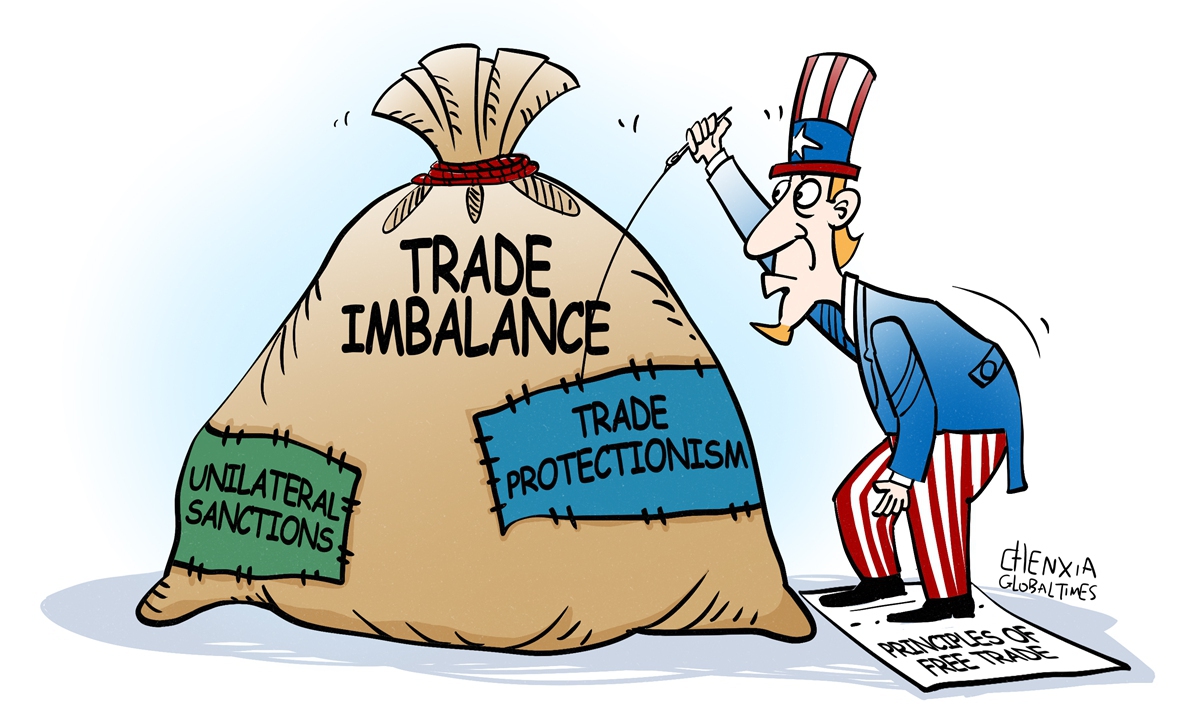
The Role of Tariffs in Economic Protectionism
Tariffs are one of the most straightforward and widely used tools in the arsenal of economic protectionism. A tariff is a tax imposed on imported goods, which makes them more expensive for consumers. The idea is simple: By increasing the cost of foreign products, domestic goods become more competitive. This encourages people to buy locally-made items, thus benefiting home-grown industries and job markets.
How Do Tariffs Work?
When a country applies a tariff, it raises the price of imported goods. For example, imagine a country imports steel from another nation. If the importing country imposes a tariff of 20% on steel, the price of that steel increases by 20%, making it more expensive than domestically produced steel. This price hike encourages domestic businesses and consumers to buy local steel instead of imported alternatives.
The revenue generated from tariffs can also be used to fund various national projects, from infrastructure improvements to social welfare programs. However, the main goal of tariffs in the context of economic protectionism remains to boost local industry by limiting competition from foreign producers.
Types of Tariffs Used in Protectionist Policies
There are several types of tariffs that countries use to enforce economic protectionism. These include:
- Ad Valorem Tariffs: A percentage-based tax on the value of the imported goods. For example, if an item is worth $100 and the ad valorem tariff is 10%, the tax would be $10, making the total cost of the product $110.
- Specific Tariffs: A fixed fee imposed on a specific quantity of an imported product, regardless of its value. For instance, a country might impose a $5 tariff on every pair of shoes imported, no matter the price.
- Compound Tariffs: A combination of ad valorem and specific tariffs, providing a more comprehensive approach to regulating imports.
- Anti-Dumping Tariffs: These are tariffs imposed when a country believes that foreign goods are being sold at unfairly low prices—often below the cost of production, a practice known as “dumping.” Anti-dumping tariffs help protect domestic industries from being undermined by these artificially low prices.
Each of these tariffs plays a role in enforcing economic protectionism, helping to shield vulnerable sectors of the economy from the pressures of international competition.
The Objectives of Economic Protectionism
The primary goal of economic protectionism is to foster national economic strength and self-reliance. But why do some countries choose to adopt protectionist measures, particularly tariffs? Let’s look at the key objectives.
1. Protecting Domestic Industries
One of the most significant reasons for imposing tariffs is to protect local industries from foreign competition. When foreign products flood a country’s market, domestic producers can be undercut by lower prices or more advanced technologies. This can lead to factory closures, job losses, and the decline of industries that were once vital to the national economy.
Tariffs help level the playing field by making imported goods more expensive, giving local industries a competitive advantage. For example, when a country imposes a tariff on imported agricultural products, local farmers can sell their goods at more competitive prices, ensuring the survival of the domestic agricultural sector.
2. Encouraging Domestic Employment
By fostering the growth of local industries, tariffs help to create and sustain jobs. If domestic producers can thrive in an environment with fewer foreign competitors, they will need to hire more workers to meet the demand for their products. This leads to job creation in various sectors, from manufacturing to distribution.
3. Balancing Trade Deficits
A trade deficit occurs when a country imports more than it exports, leading to an outflow of capital. Economic protectionism, through tariffs, can help reduce a trade deficit by discouraging excessive imports and encouraging consumers to buy locally-produced goods. In turn, this can help stabilize a country’s economy and improve its balance of payments.
4. National Security and Strategic Interests
Some nations implement protectionist policies for reasons of national security. For example, a country may impose tariffs on foreign-produced steel to protect its domestic steel industry, which is considered vital for national defense. A robust and self-sufficient industrial base is necessary for producing essential goods in times of war or geopolitical tension.
5. Protecting Infant Industries
New industries often struggle to compete with established foreign companies. Economic protectionism can help these “infant industries” grow by providing temporary protection from foreign competition. Once these industries have had time to mature and become competitive, the protectionist measures can be lifted.
The Impact of Economic Protectionism and Tariffs
While the theory behind economic protectionism and tariffs is appealing, the reality can be more complex. Tariffs can have several positive and negative effects on an economy, as well as on the global trading system.
Positive Effects
- Boosts Domestic Industry: By making imported goods more expensive, tariffs can encourage consumers to buy locally-produced items, boosting the growth of domestic industries.
- Job Creation: Local industries that are protected from foreign competition are more likely to expand, which leads to increased job opportunities.
- Increased Revenue for Governments: Tariffs generate revenue for governments, which can be used to fund national projects or public services.
- Reduced Dependence on Foreign Markets: Countries that rely heavily on imports can strengthen their self-sufficiency by reducing their dependence on foreign products.
Negative Effects
- Higher Prices for Consumers: The most direct impact of tariffs is that they make imported goods more expensive. This often leads to higher prices for consumers, which can reduce their purchasing power and overall standard of living.
- Retaliation from Other Countries: Countries that face tariffs may retaliate by imposing tariffs of their own, leading to trade wars. These tit-for-tat tariffs can harm global trade and create economic uncertainty.
- Inefficiency in Domestic Industries: Protected industries may become complacent without the need to compete with foreign producers. This can lead to inefficiency and stagnation in sectors that would otherwise need to innovate and improve to survive in the global market.
- Disruptions in Global Supply Chains: As more countries adopt economic protectionism, global supply chains can be disrupted, leading to higher costs and delays in the production and distribution of goods.
The Debate Over Economic Protectionism
The issue of economic protectionism has been a topic of debate for centuries. While tariffs and protectionist policies can protect domestic industries in the short term, critics argue that they can hinder long-term economic growth by distorting market forces.
Supporters of free trade argue that the global economy is interconnected, and protectionism only harms everyone in the long run. They believe that opening markets and reducing trade barriers leads to greater efficiency, innovation, and economic growth.
On the other hand, those who advocate for economic protectionism believe that it is essential for protecting domestic jobs, industries, and national interests. They argue that in a globalized world, it is important for countries to maintain control over their own economies.
In conclusion, tariffs are a fundamental tool in the practice of economic protectionism, offering countries the ability to protect domestic industries, create jobs, and reduce trade deficits. However, they also come with a host of challenges, from higher consumer prices to the potential for trade wars. While the debate over protectionism vs. free trade continues, tariffs remain a central part of the strategy for countries looking to control their economic fate.
Whether you support or oppose economic protectionism, understanding the role of tariffs is essential in comprehending the broader economic picture. As the world continues to evolve, it’s clear that tariffs will remain a powerful tool in shaping global trade dynamics.


