
E-commerce Marketing Strategies for 2026: What Actually Moves Sales
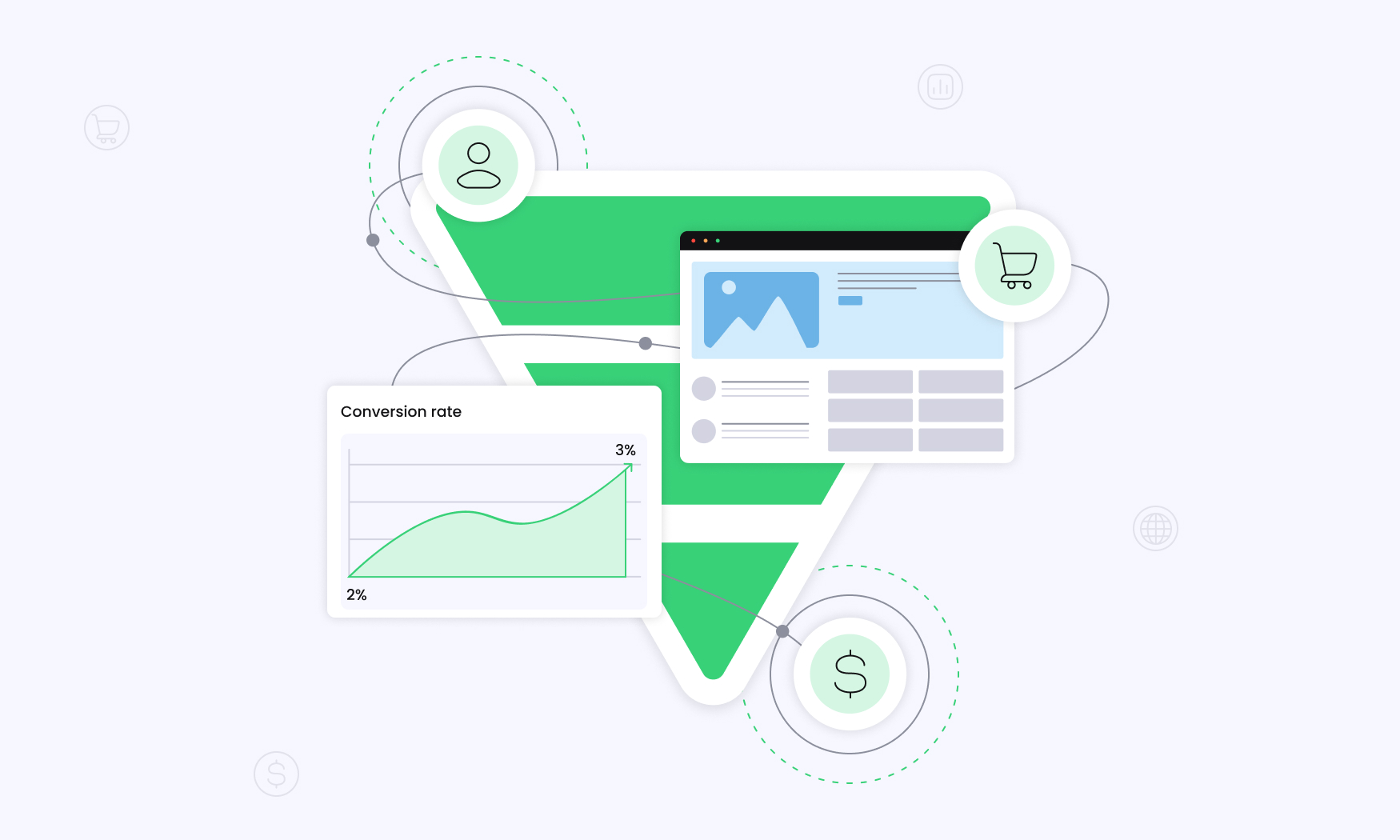
Online stores face more noise than ever. Shoppers scroll fast and expect instant answers. Marketing that worked last year needs updates for attention spans and team setups that now span cities or countries.
Controlio software helps here in a direct way. It tracks how remote staff use their hours on support tickets, content drafts, or campaign tweaks. You get facts instead of assumptions about productivity. Many brands treat it as their go-to remote employee software because it fits into daily workflows without extra admin layers.
You see the impact when response times drop and follow-ups actually happen. For any store running ads or social posts, that backend speed turns browsers into buyers more often.
Build on solid foundations first
The 5 C’s still give structure. Start with your company. Know your edge in product range, speed, or niche focus. Write it down so every campaign reflects it.
Context comes next. Learn what your buyers feel before they click. Do they want status, savings, or simple convenience? Campaigns that miss this emotional layer get ignored.
Look at competition without copying. See which ads or pages pull comments and shares. Then adjust your angle so you stand out instead of blending in.
Put the consumer at the center. Every price, photo, and email should answer one question: why does this solve their problem better than the alternative?
Finally, collaborate. Partner with creators or other stores for cross-promotions. Their audience already trusts them. That trust transfers faster than cold ads.
The 7 P’s still guide daily decisions
Product, price, promotion, and place form the base. Test prices against what competitors charge. Run promotions that feel timely, not desperate. Make sure your site and social profiles show up where buyers already spend time.
People and process deserve extra attention in 2026. Remote teams handle chat support, order updates, and even ad creative for many stores. Without clear visibility, small delays compound into lost carts and bad reviews.
Controlio software changes that dynamic. Managers see time spent on high-value work versus low-impact tasks. They coach where it counts and reassign when patterns show overload. The result shows up in faster reply rates and steadier conversion numbers.
The process covers everything after the click. Order confirmation, packing, shipping updates, and returns. Each step needs ownership and timing. You map the path from order placed to delivery. Then you time each handoff. When one remote team member handles three roles, the data shows it fast. You hire or redistribute before customers notice the slowdown.
Packaging still signals quality. Match your boxes, labels, and unboxing experience to the price point and brand promise. It costs little but builds memory.
Pick channels with intention
Social media delivers when you mix formats. Use short videos for product demos. Post customer photos with permission. Run retargeting ads to people who viewed specific items. Test one platform deeply before spreading thin across five.
Email marketing keeps working for owned-audience growth. Segment by past buys or abandoned carts. Write sequences that feel like helpful notes, not blasts. One strong welcome series can pay for itself many times over.
SEO and content create compounding returns. Answer the questions buyers type before purchase. Product comparison guides, size charts, and care instructions reduce support load while building authority.
Influencer and affiliate programs scale reach without full ad spend. Choose partners whose audience matches your buyers. Track performance per link so you double down on what converts and cut what does not. Full channel comparisons often appear in resources like this e-commerce marketing overview.
Match model to your strengths
B2C stores sell direct and lean on emotional ads plus fast checkout. B2B needs case studies, bulk pricing pages, and LinkedIn outreach. C2C platforms succeed when trust tools like ratings and secure payments sit front and center. C2B marketplaces thrive on clear skill matching and quick payouts.
Each model has different team needs. A B2C store with remote support agents gains immediate value from activity tracking. A C2C site might focus more on seller tools and dispute resolution speed.
Handle the real roadblocks
Competition keeps rising. Ad costs follow. Privacy rules limit tracking. Algorithms change and cut reach overnight. Remote setups add questions around consistent service and data handling.
The stores that last fix operations before they spend more on traffic. They use tools that show real activity patterns so training happens where it helps most. They test small changes in process or messaging and watch the numbers move.
Global sales keep climbing. Projections point to strong growth through 2026 as more buyers shift online for everything from groceries to gear. The opportunity stays open for stores that deliver on both the promise in the ad and the experience after payment.
Final words
Focus on one gap at a time. If your ads bring visitors but support lags, fix the team visibility first. Controlio software gives that layer without forcing managers into constant check-ins. Then layer on better creative or sharper offers.
Measure what matters: reply time, cart recovery rate, and repeat purchase percent. Improve those and the marketing budget works harder. The brands winning right now combine sharp promotion with teams that actually execute on time.


